Today the children in Upper School were introduced to our new topic, Evolution and Adaptation.
We started off by learning what adaptation in nature means for plants and animals.
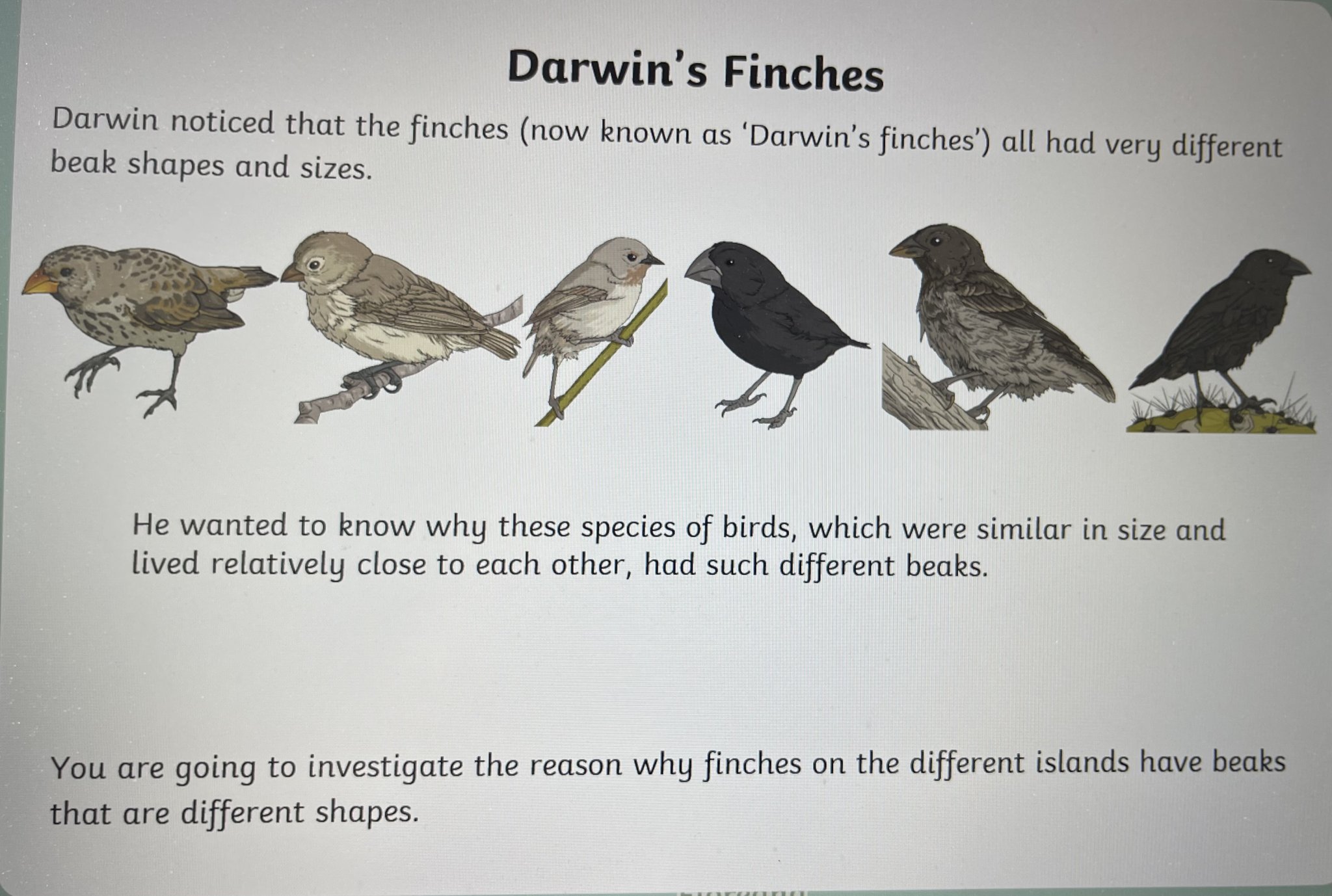
Next we learned briefly about Charles Darwin’s theory of adaptation after he studied the 16 species of finches on the Galápagos Islands.
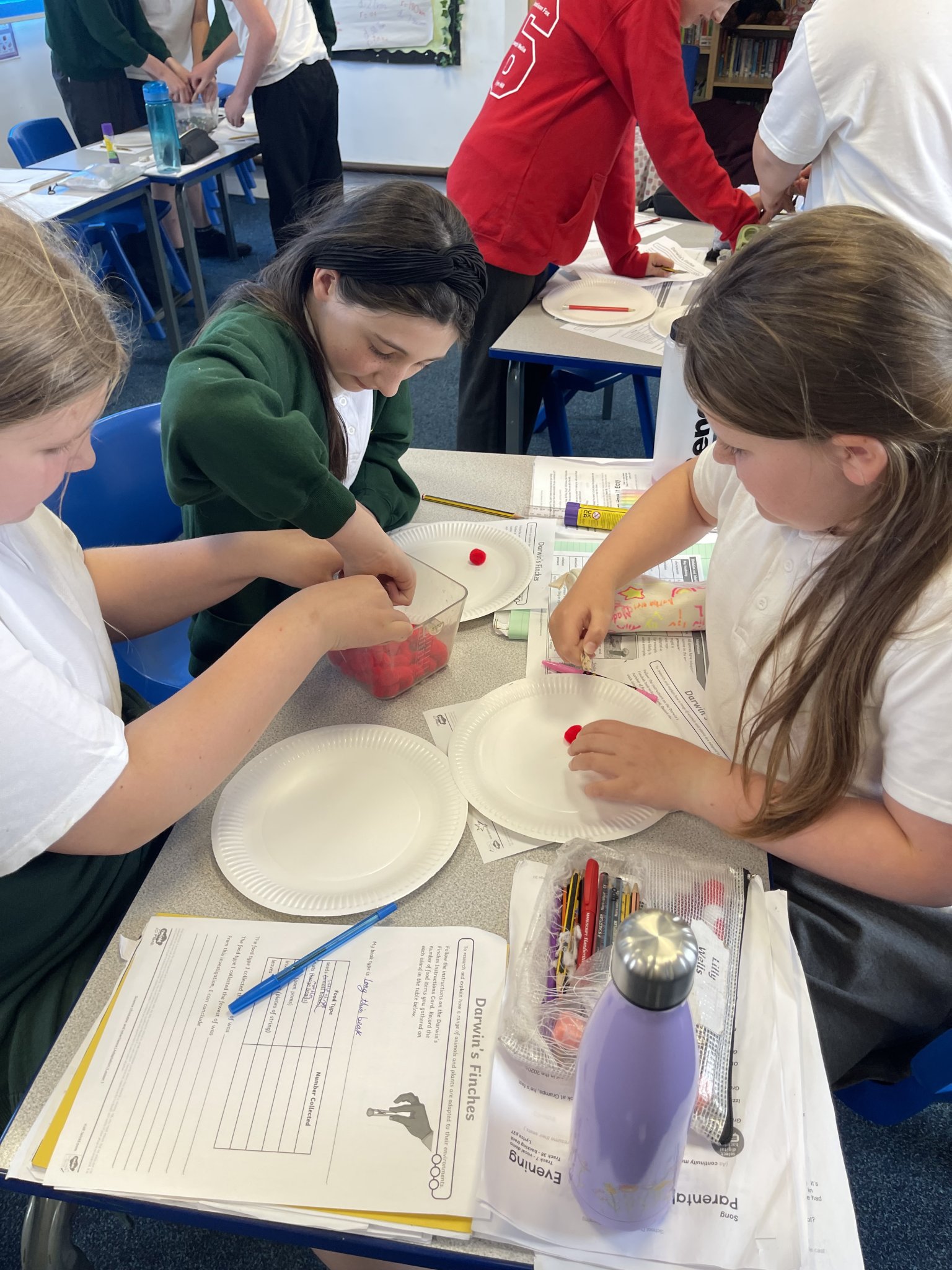
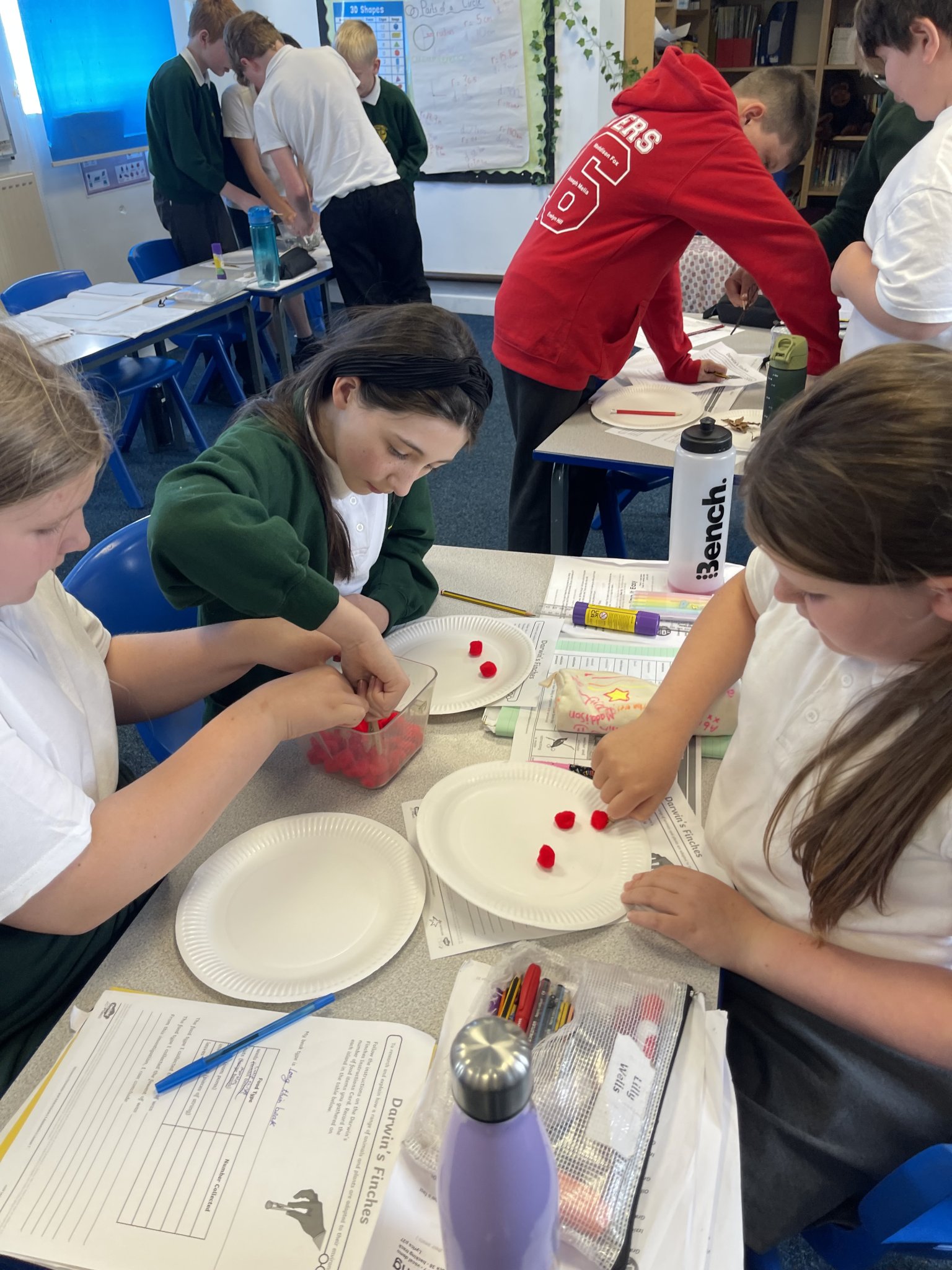
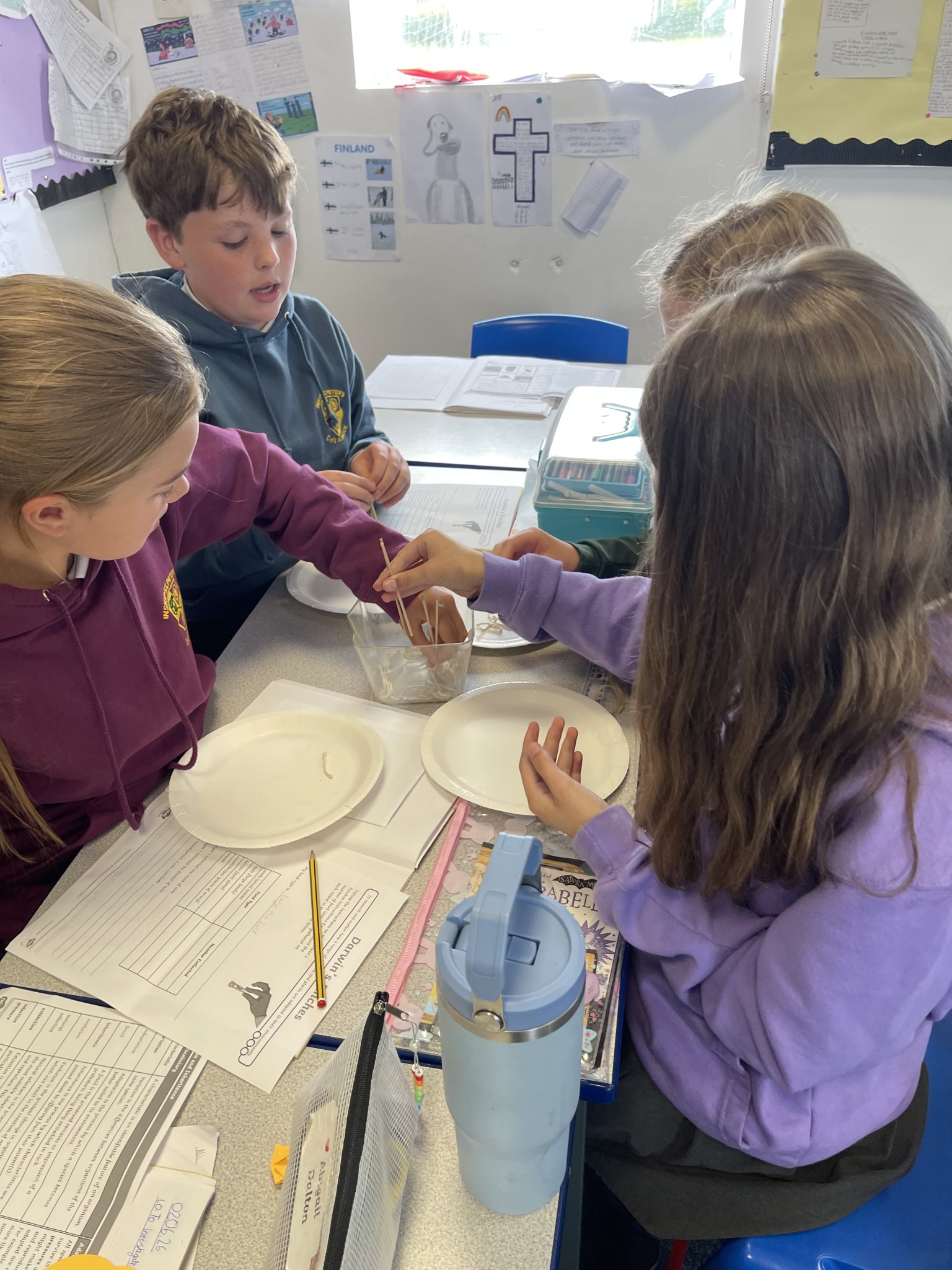
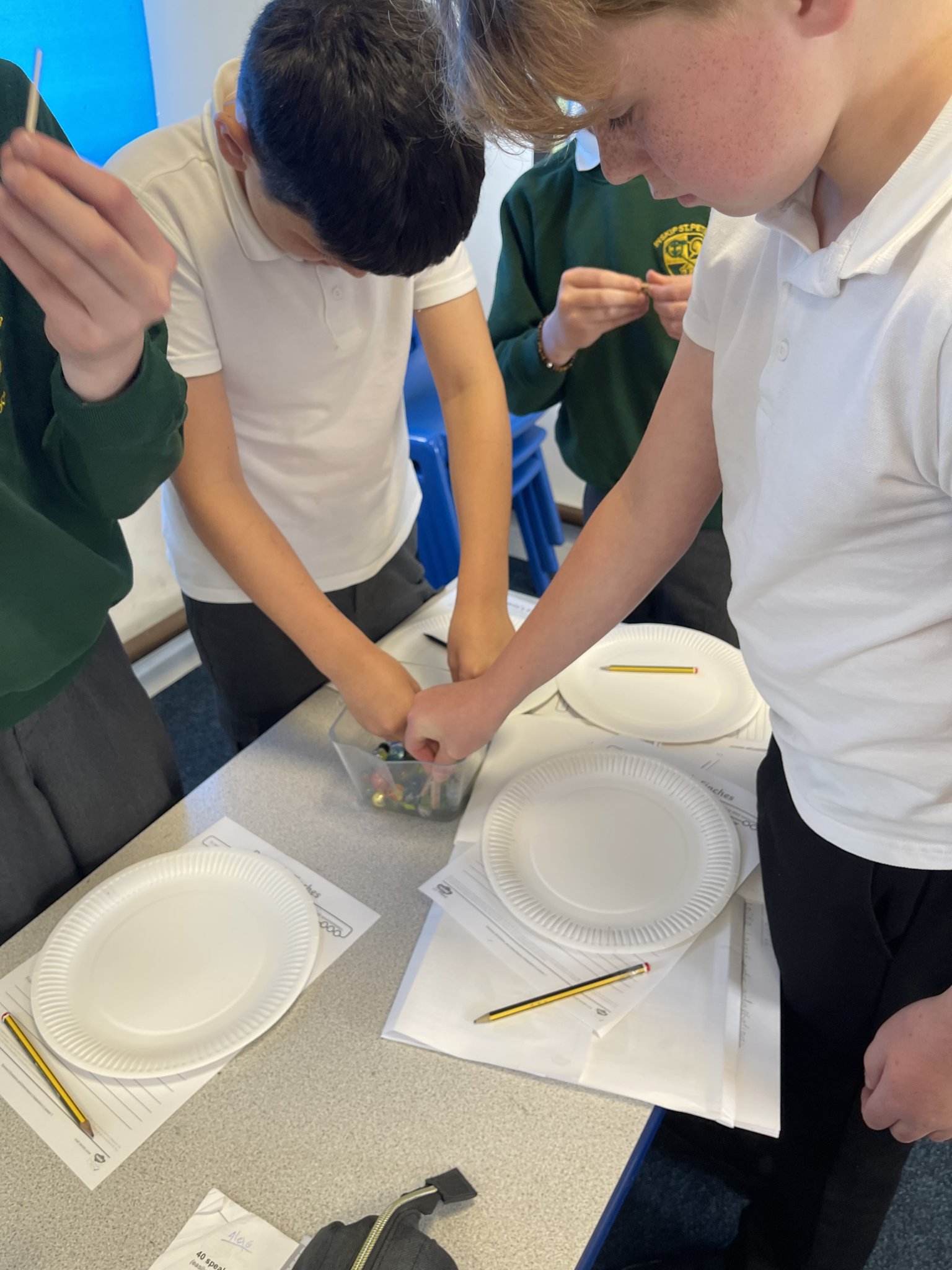
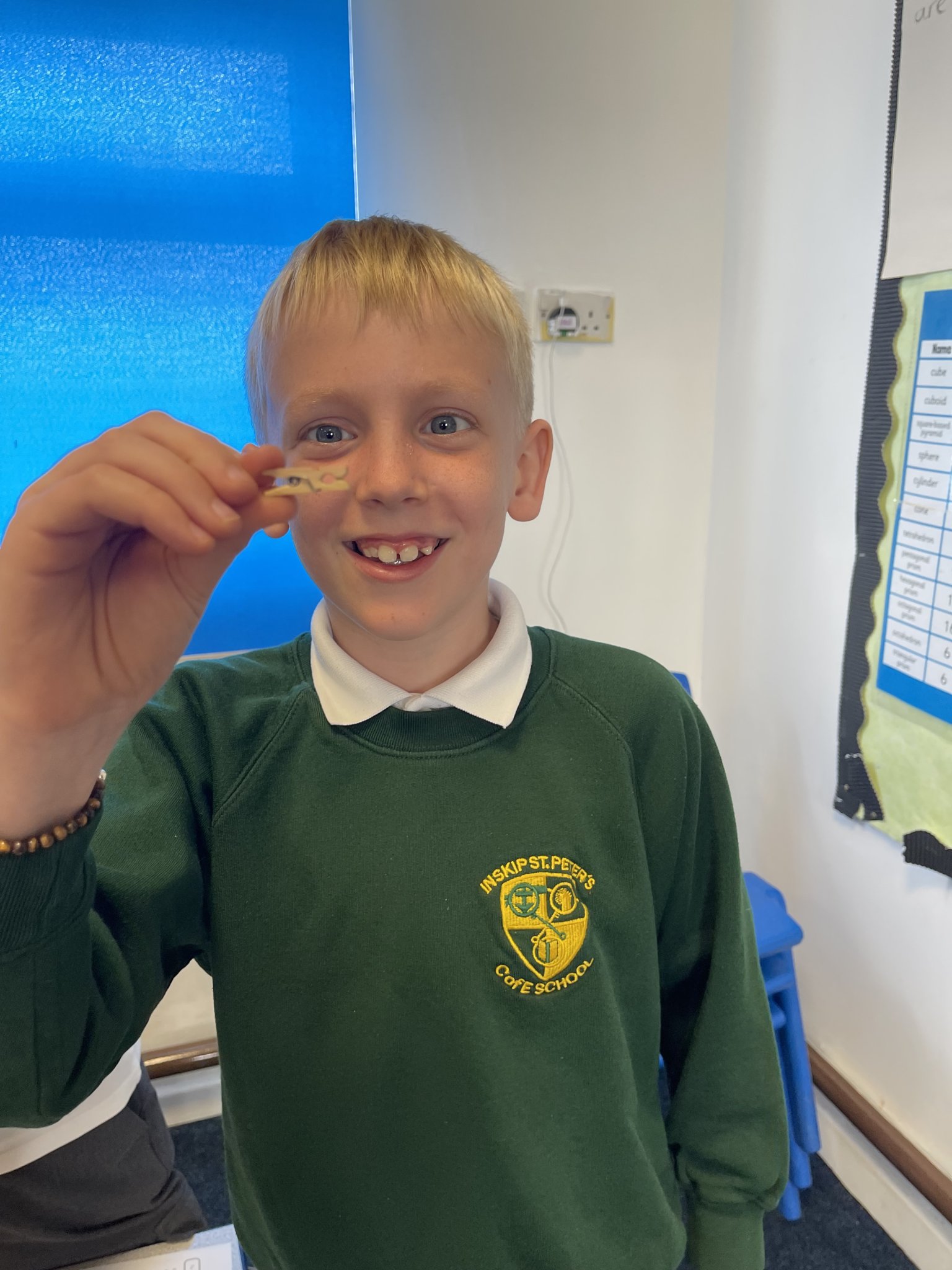
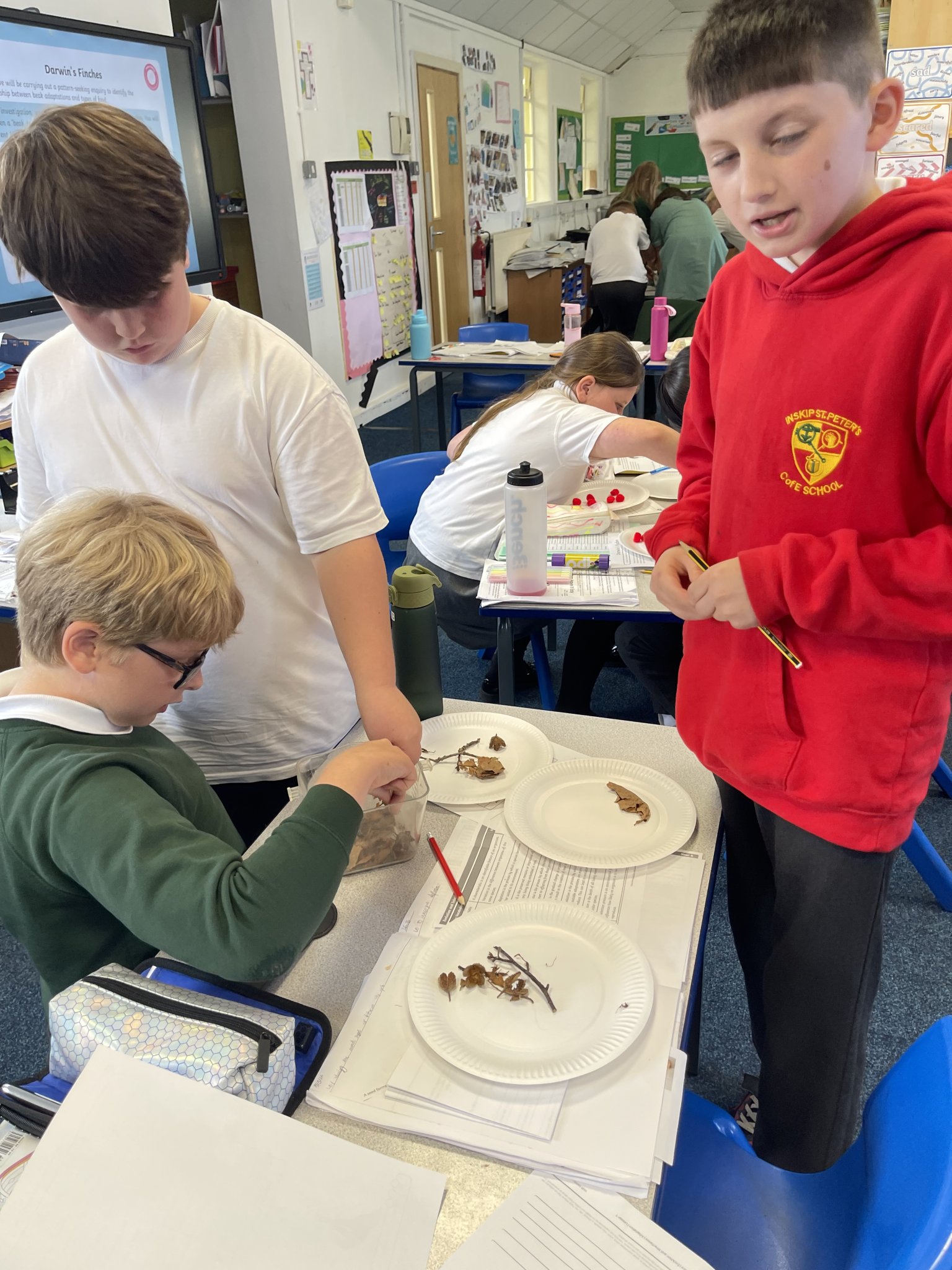
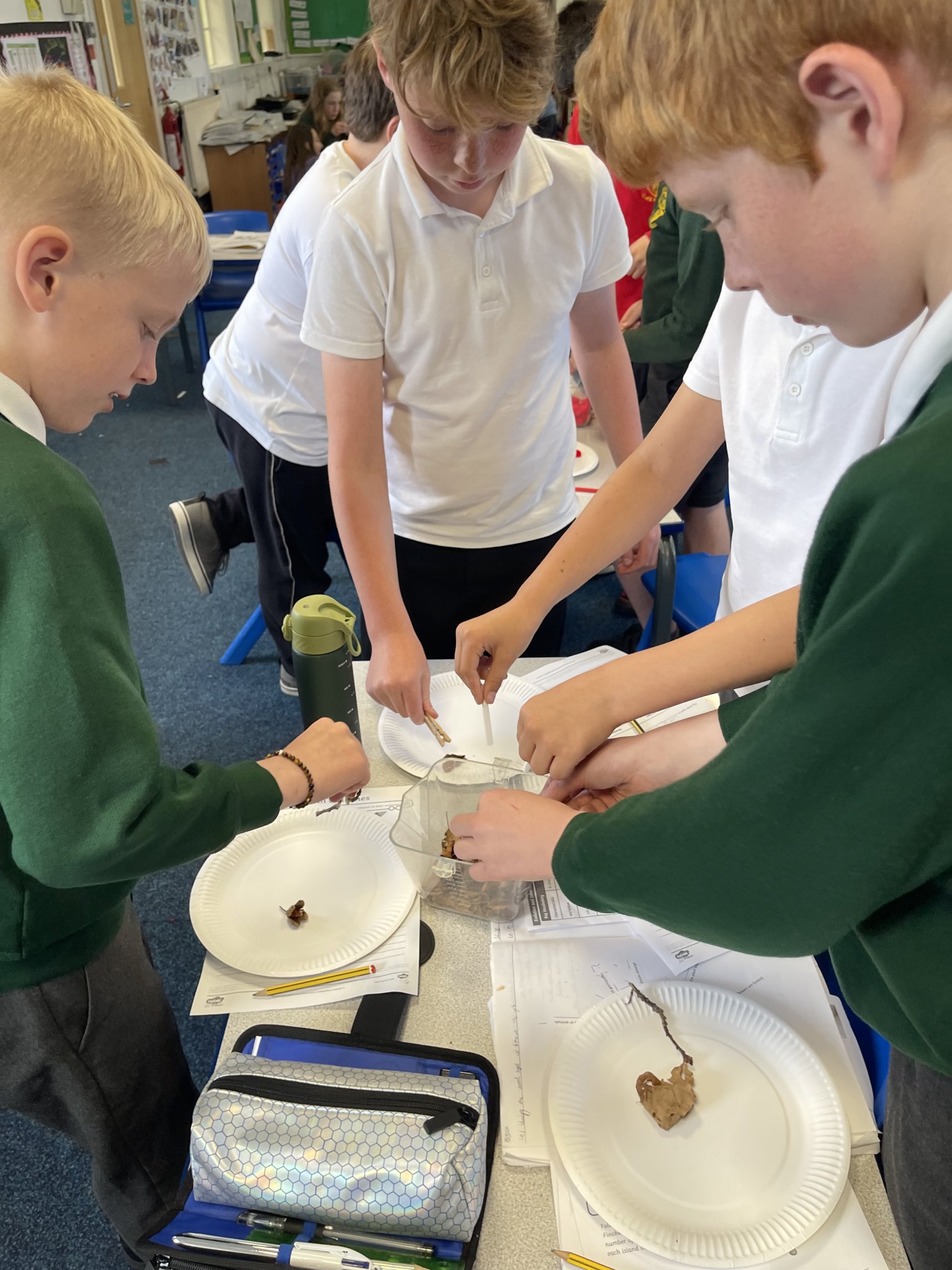
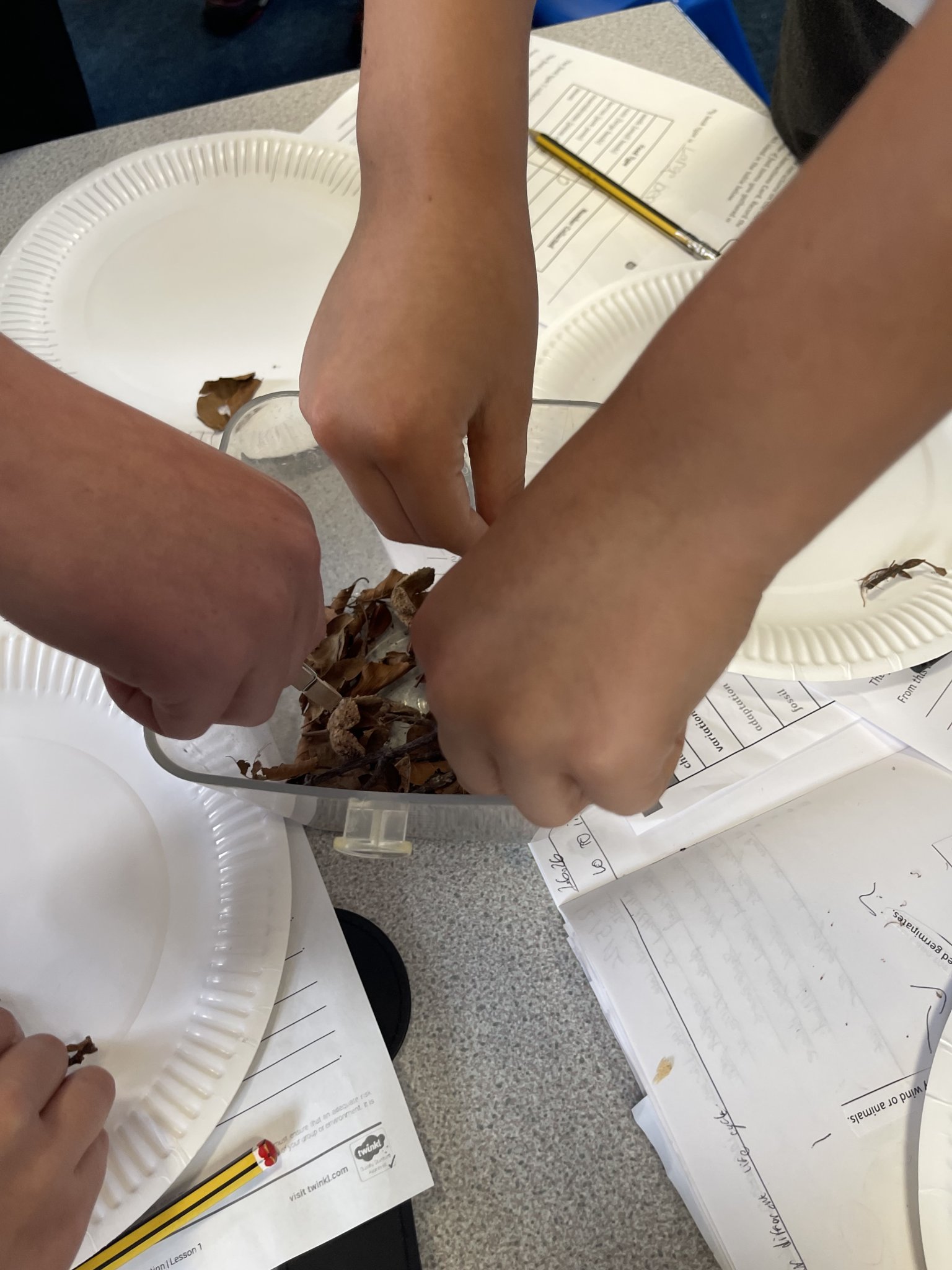
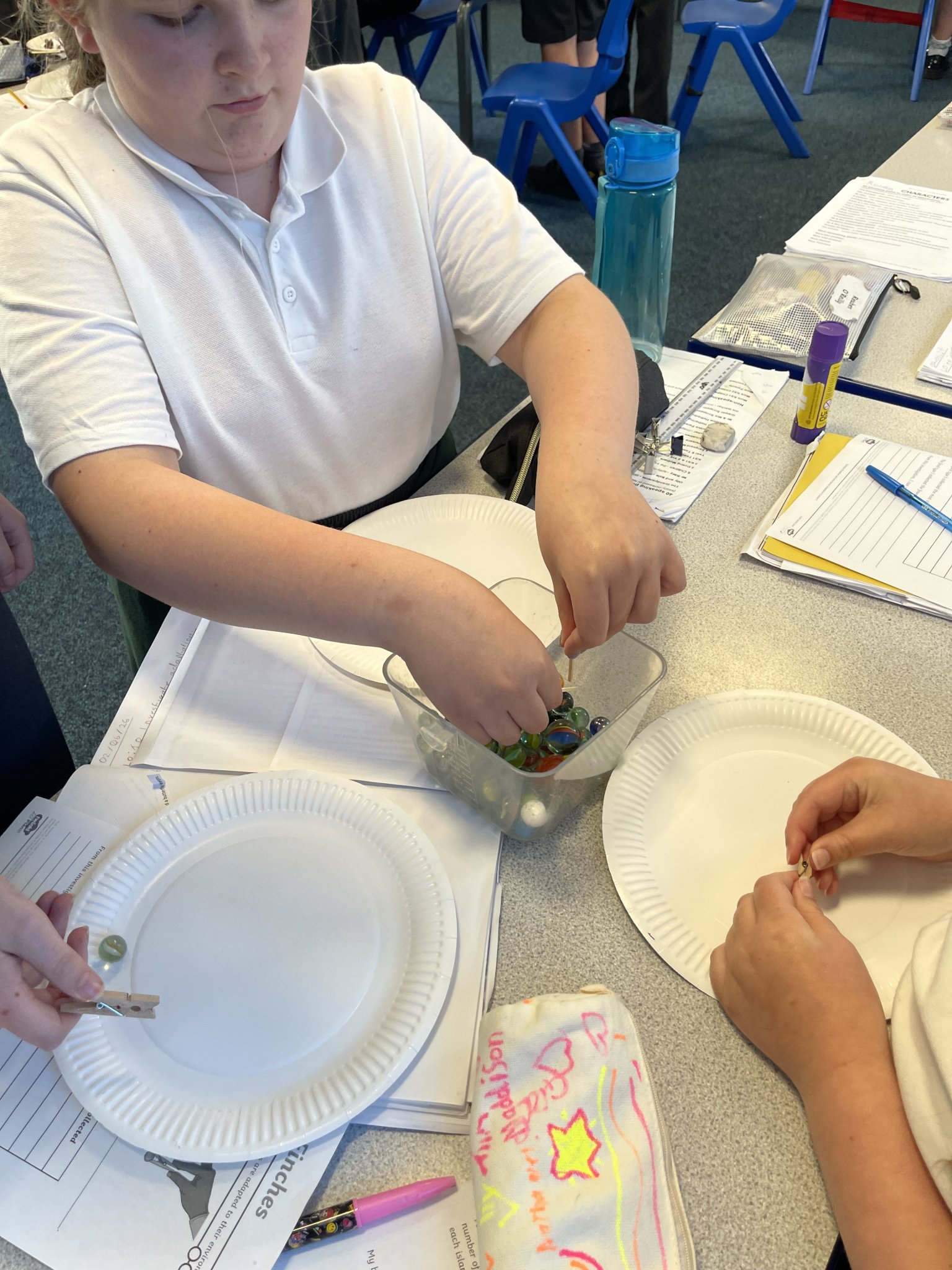
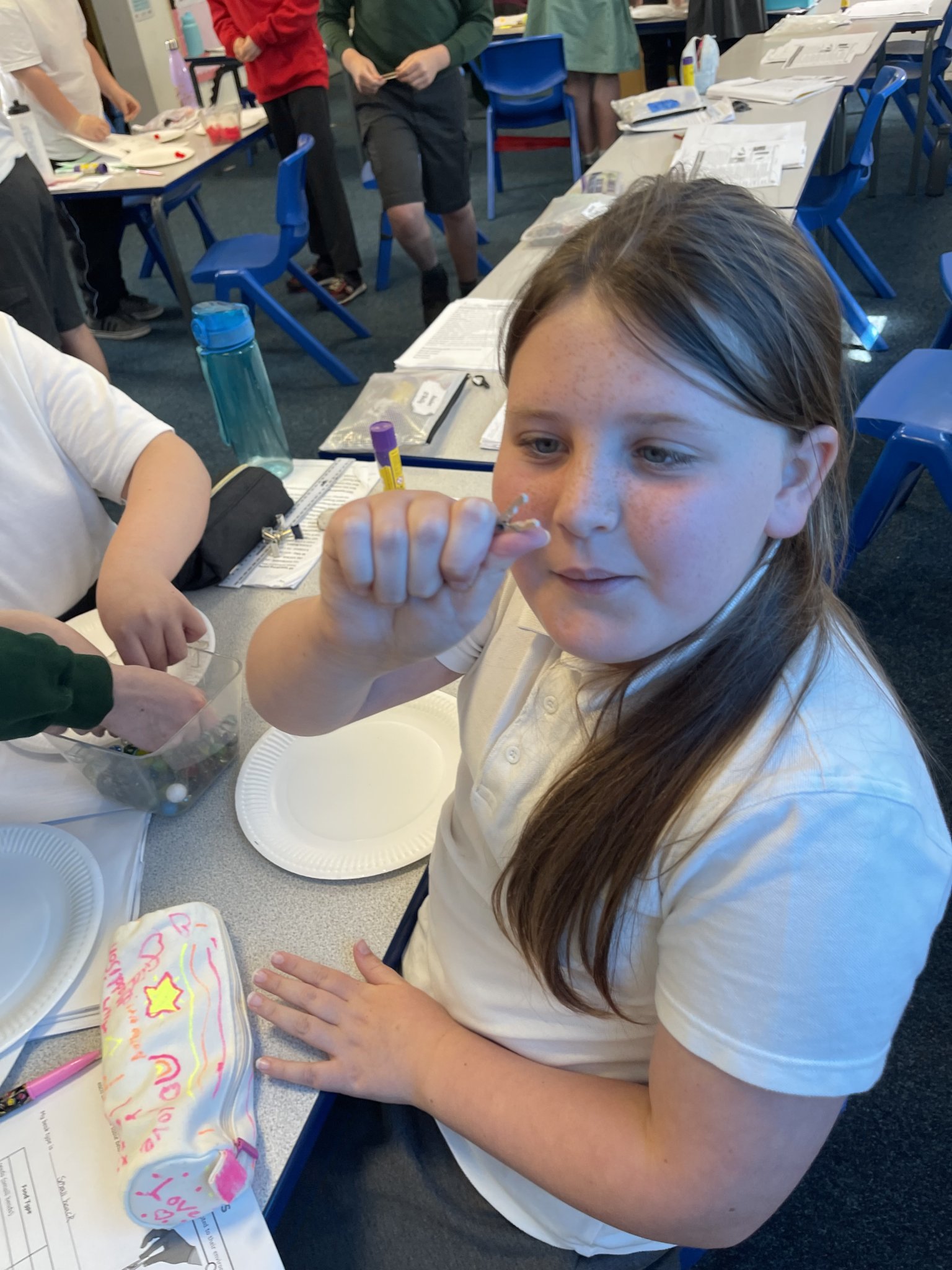
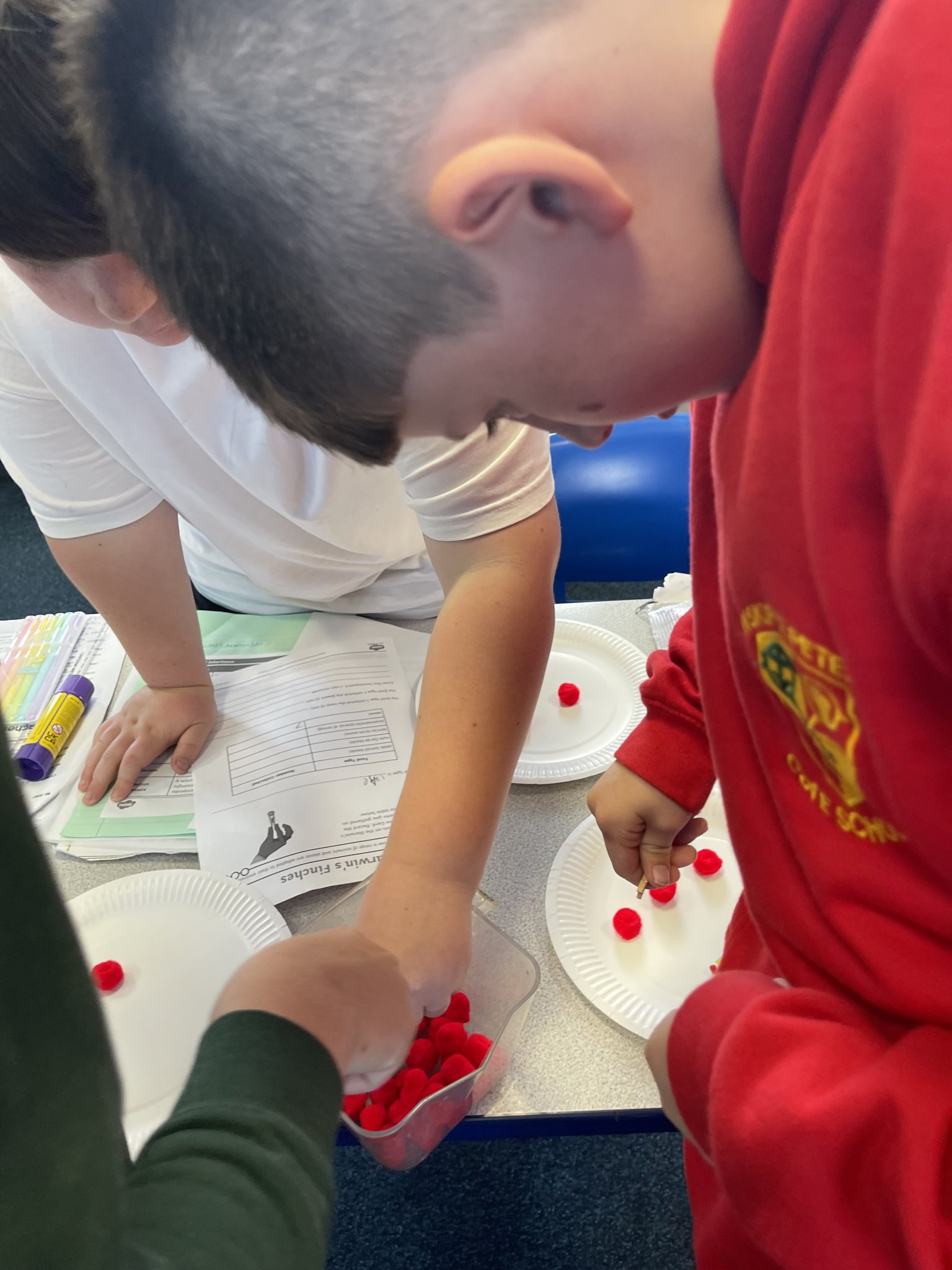
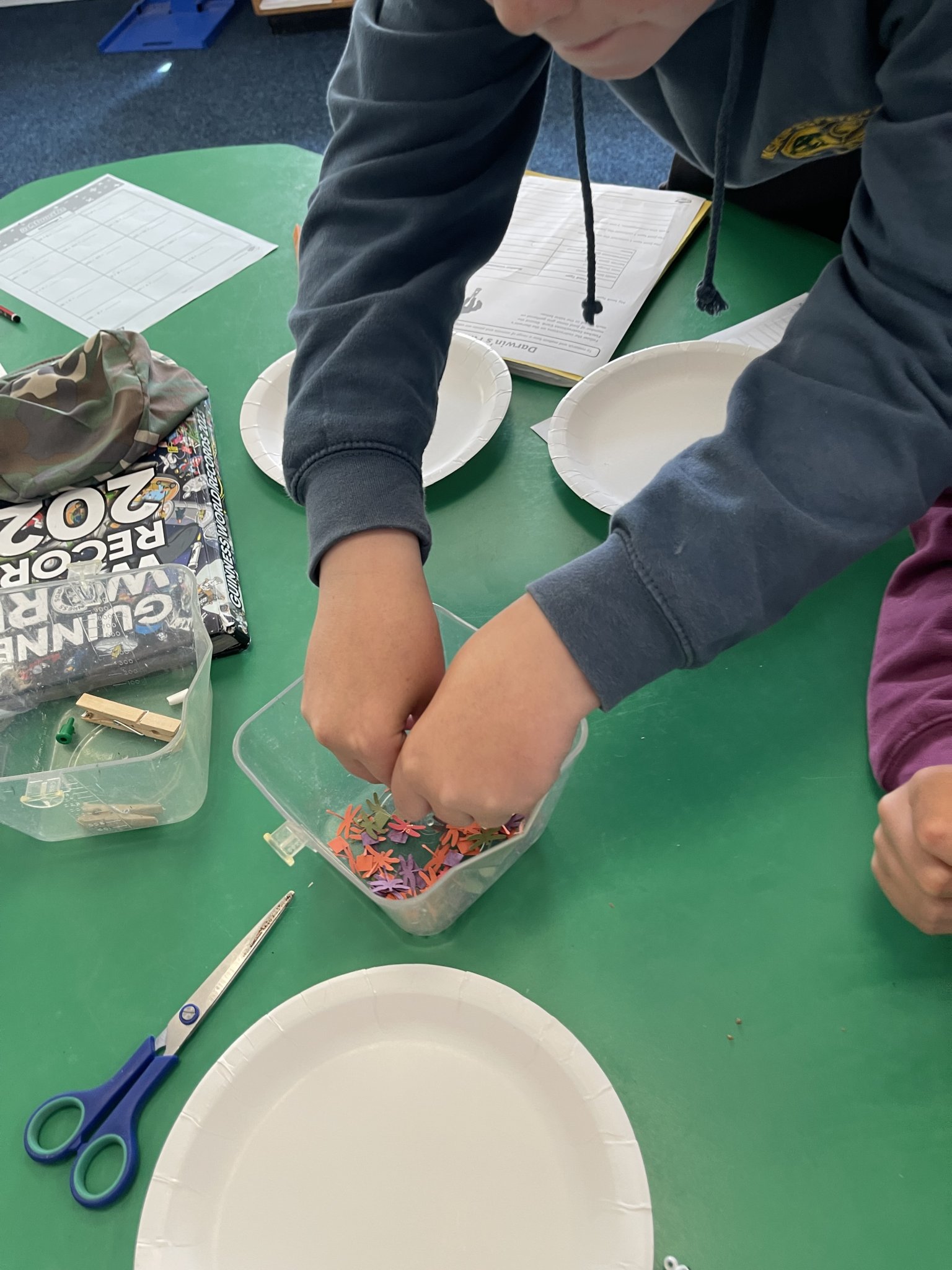
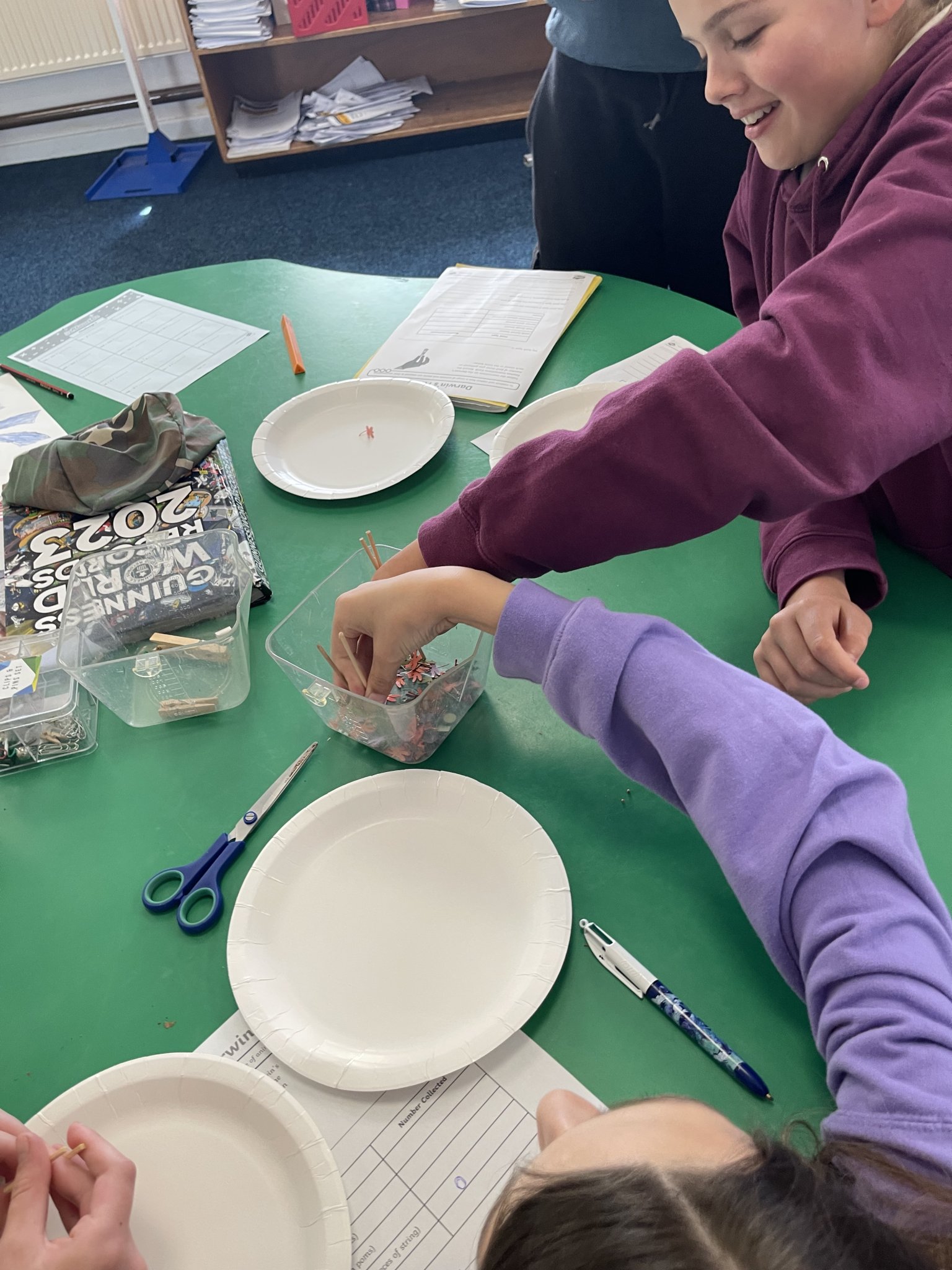
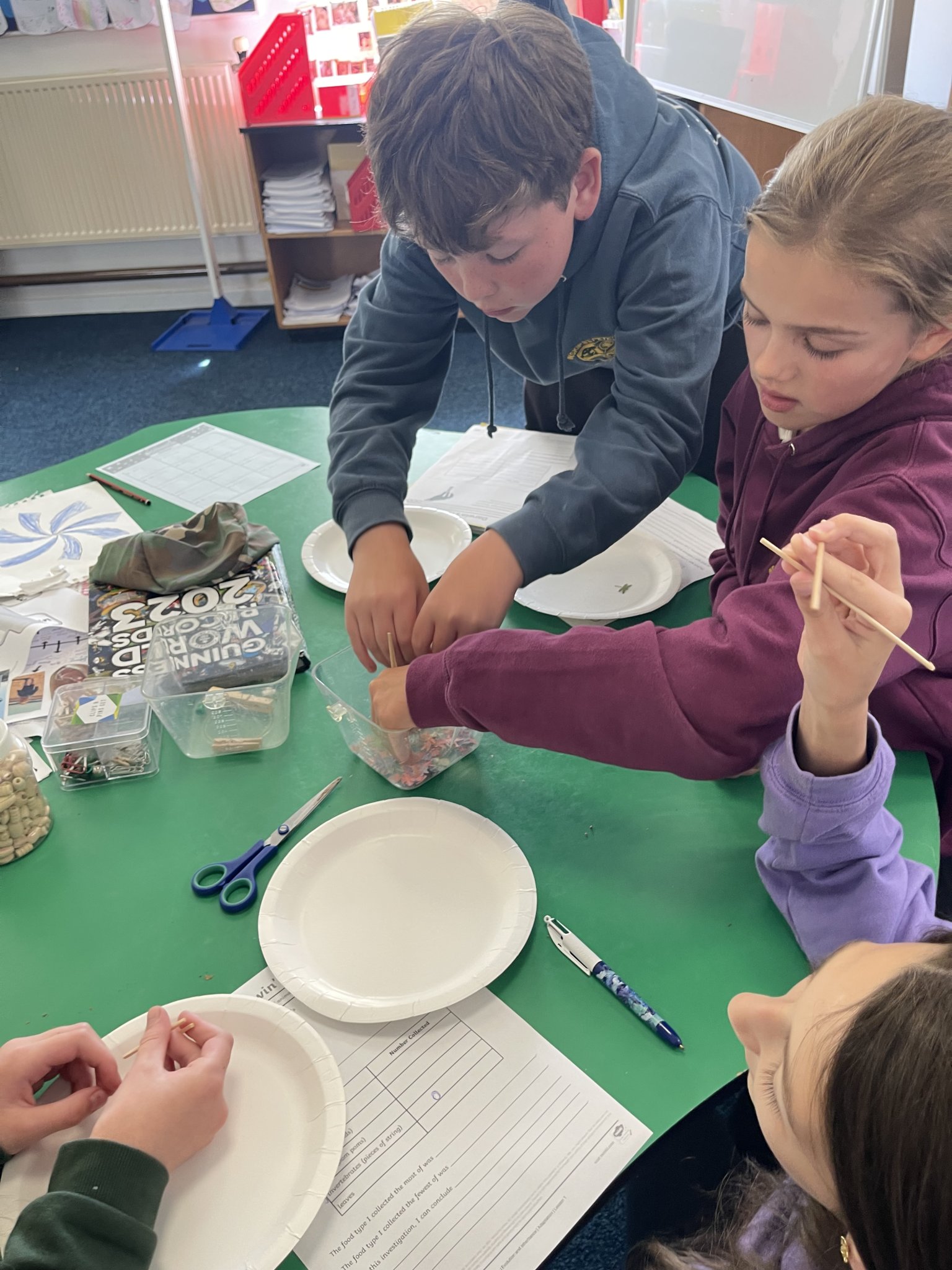
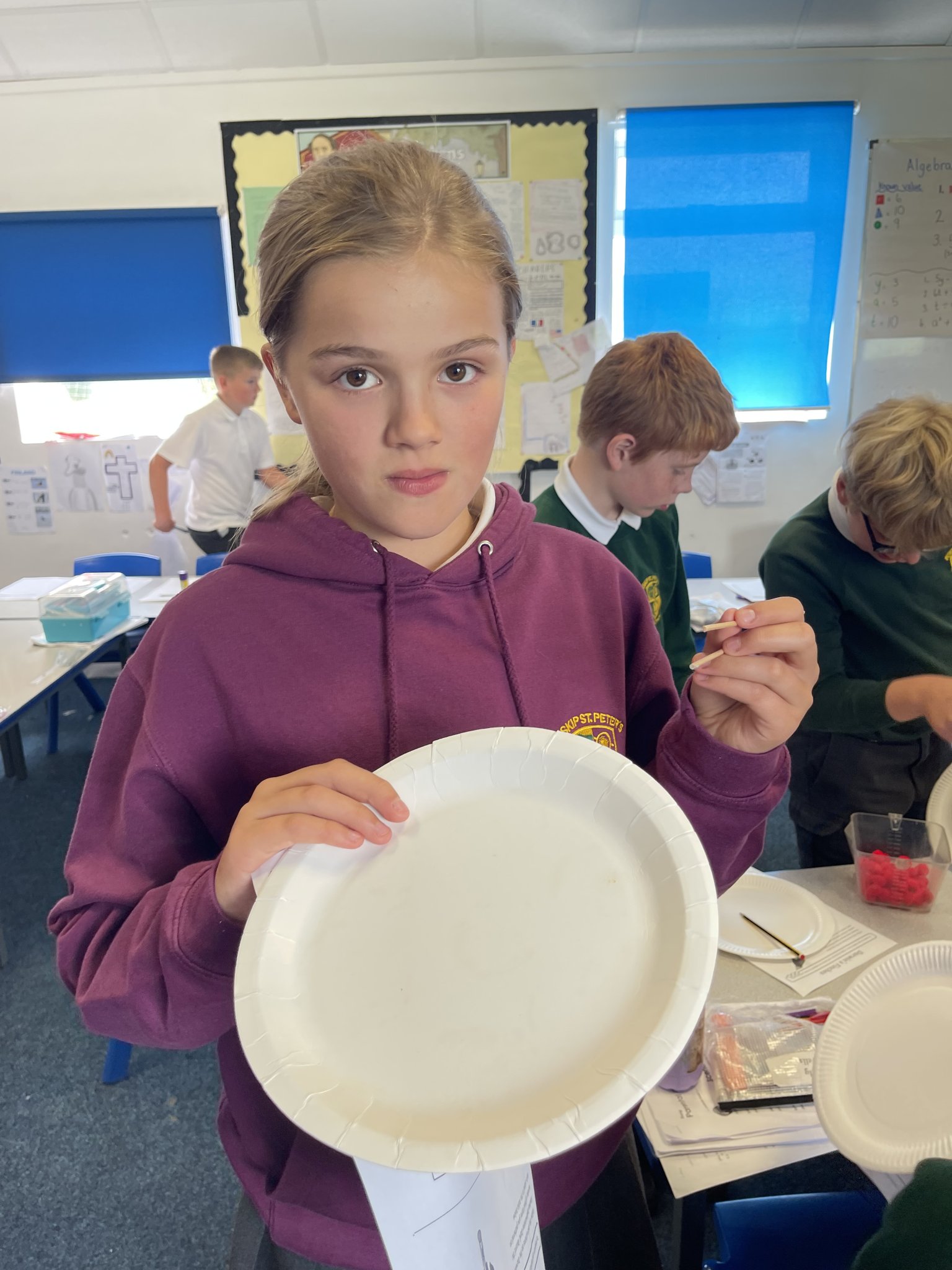
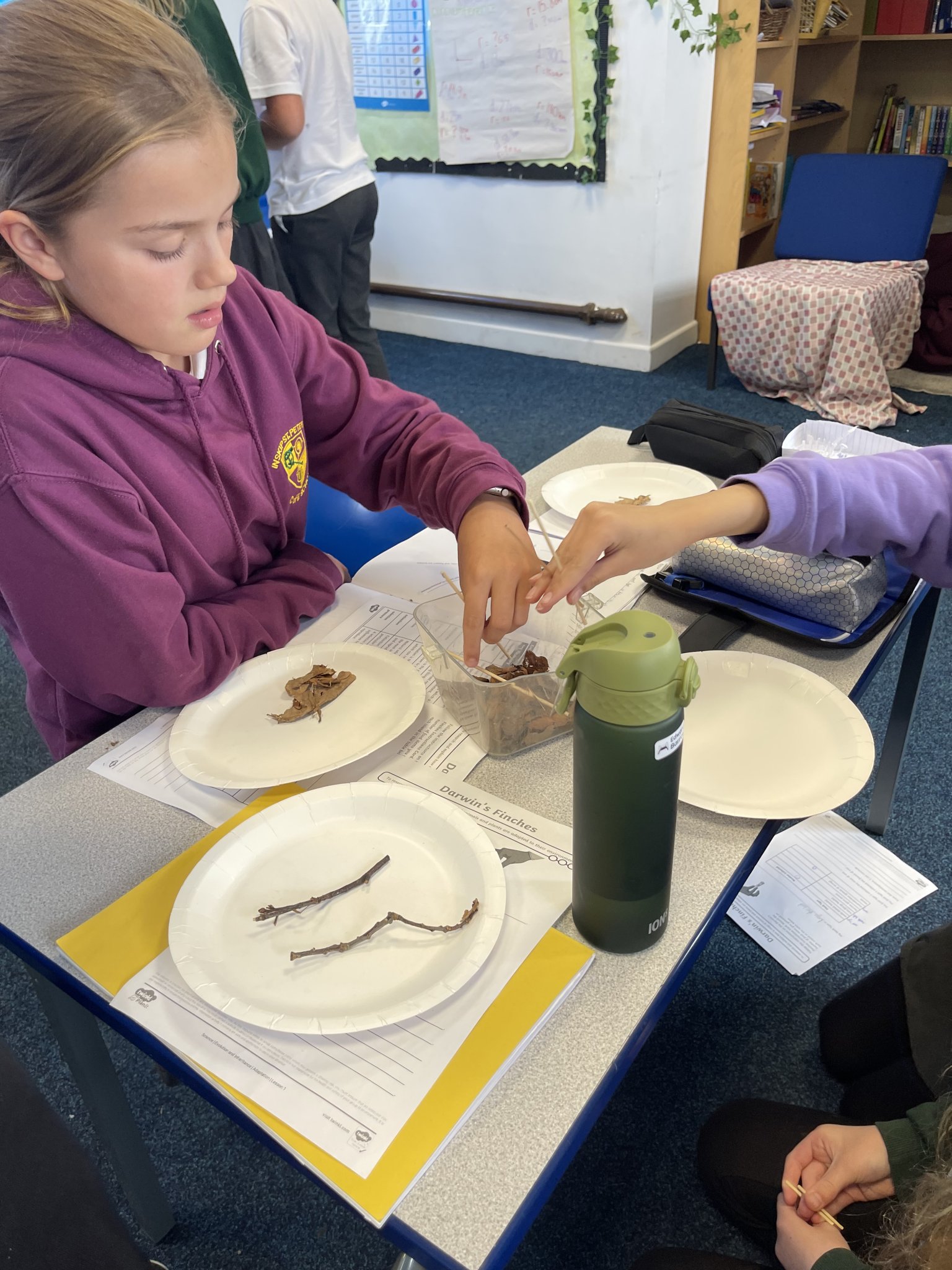
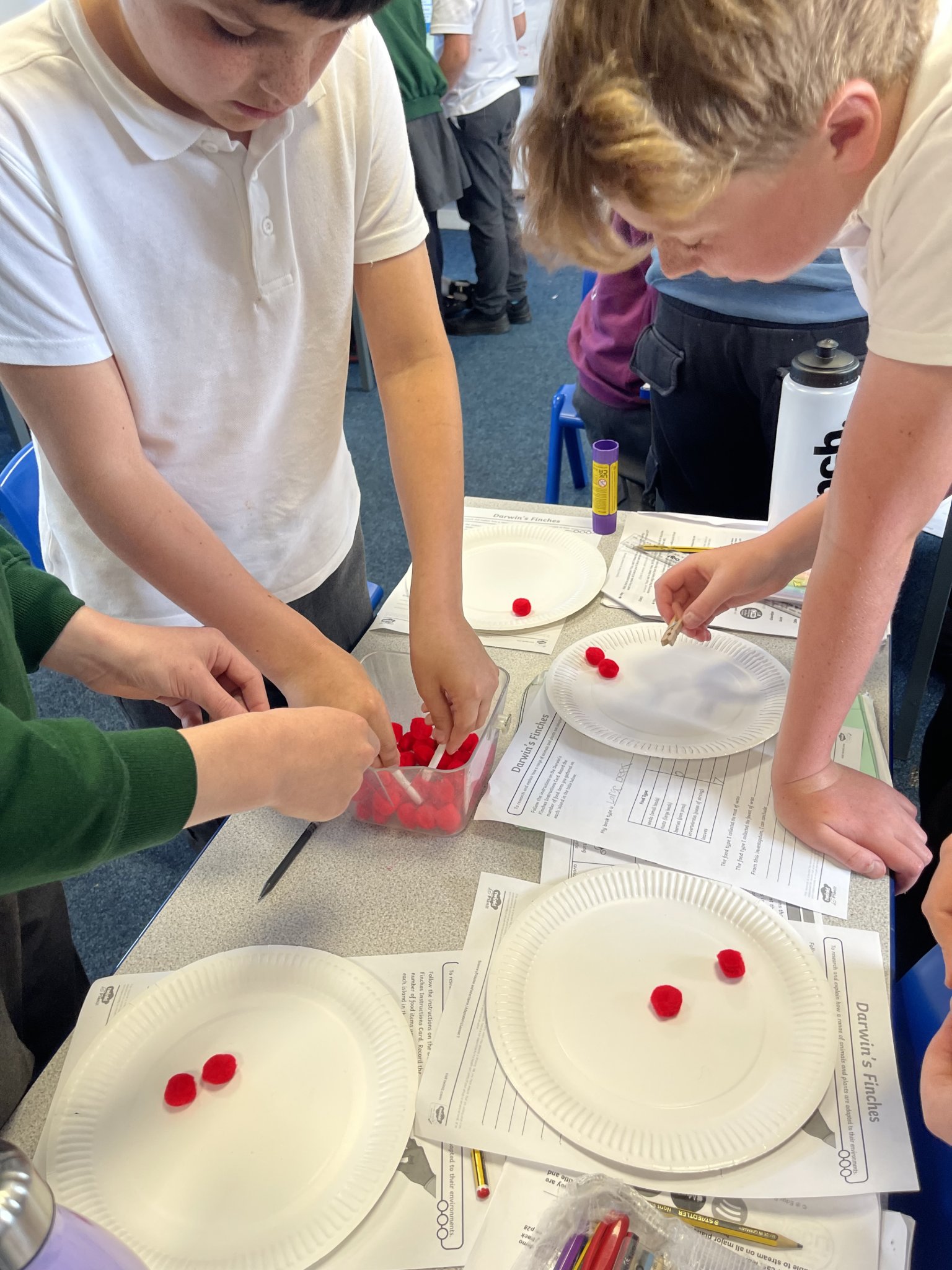
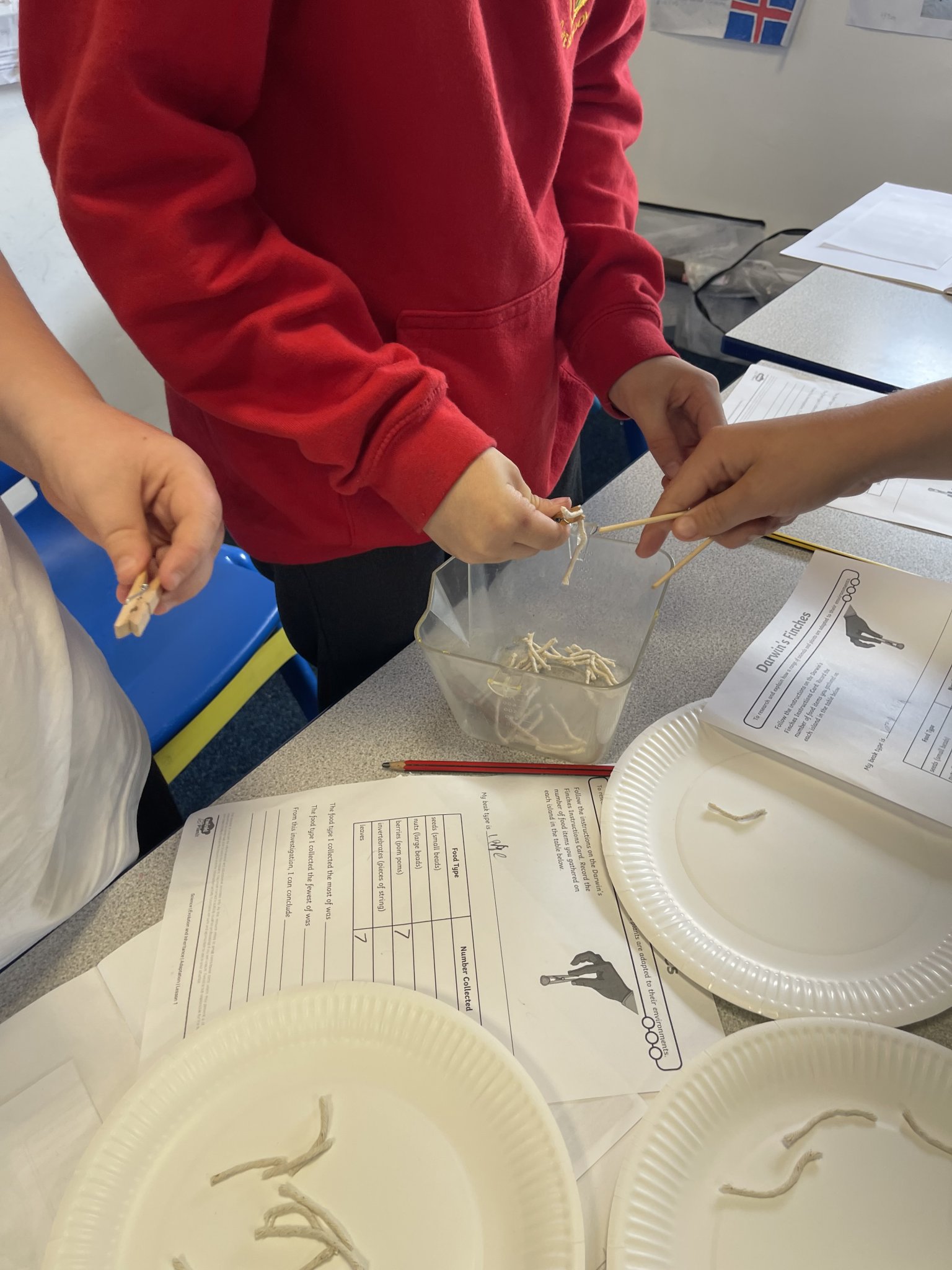
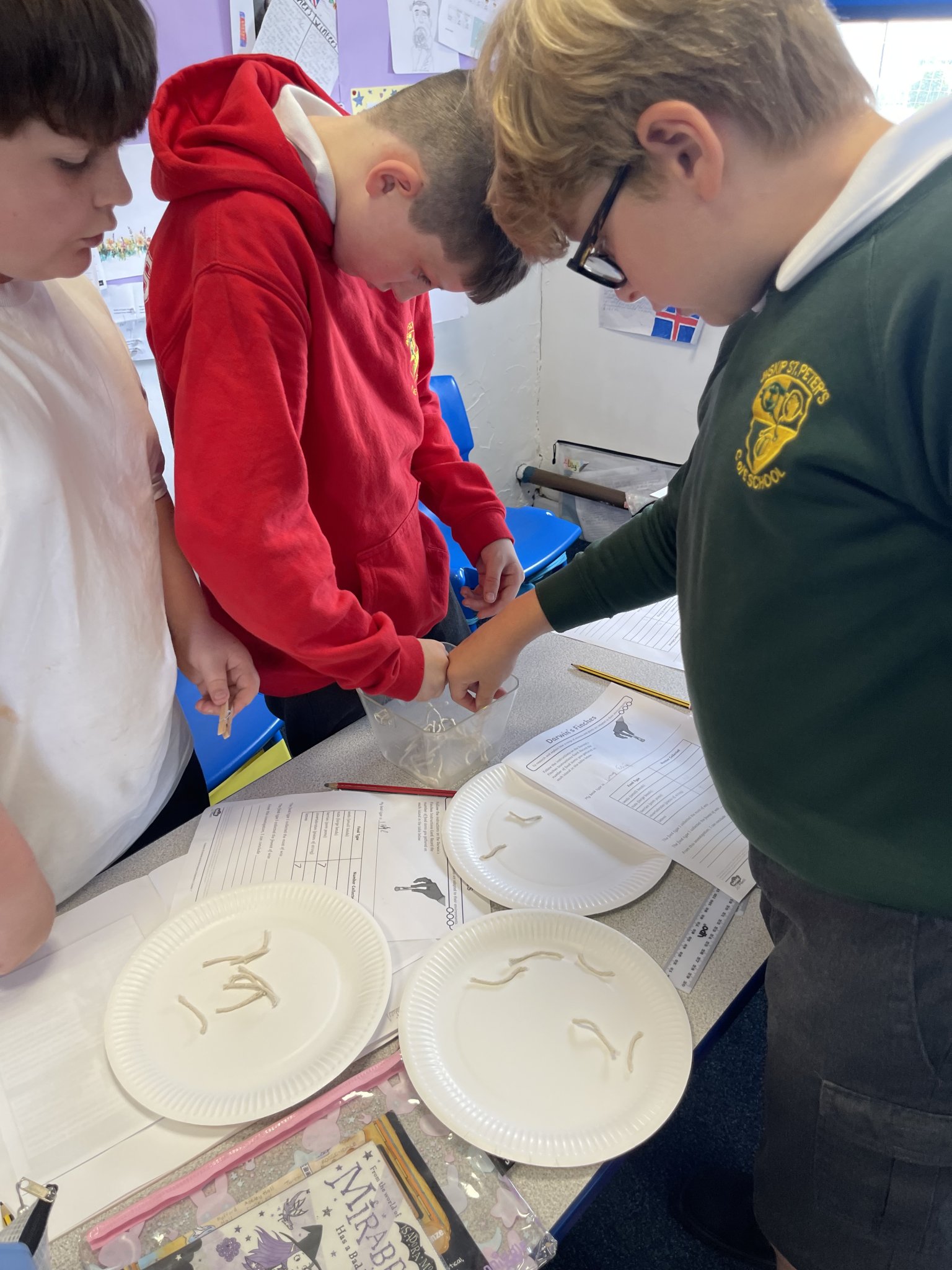
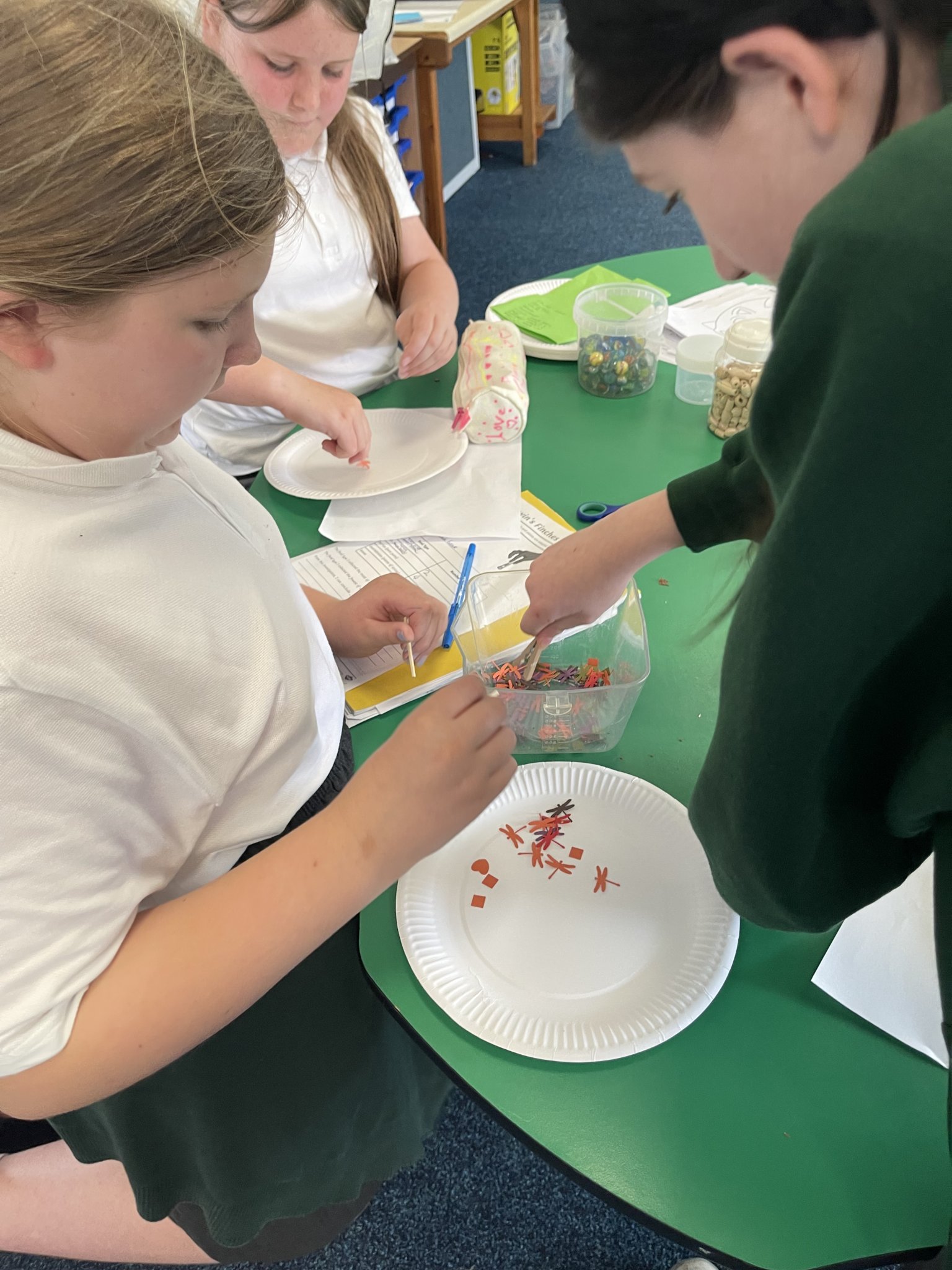
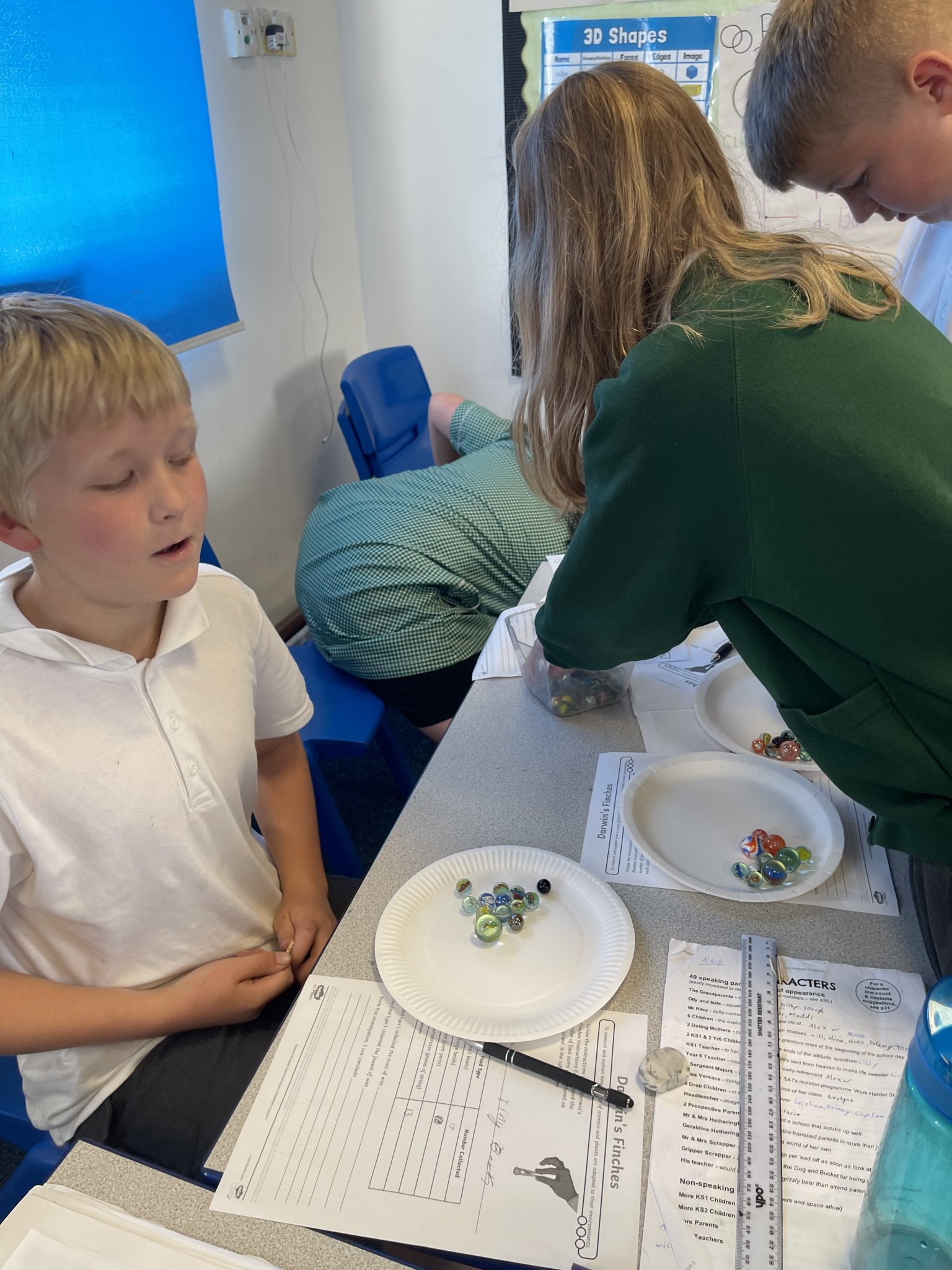
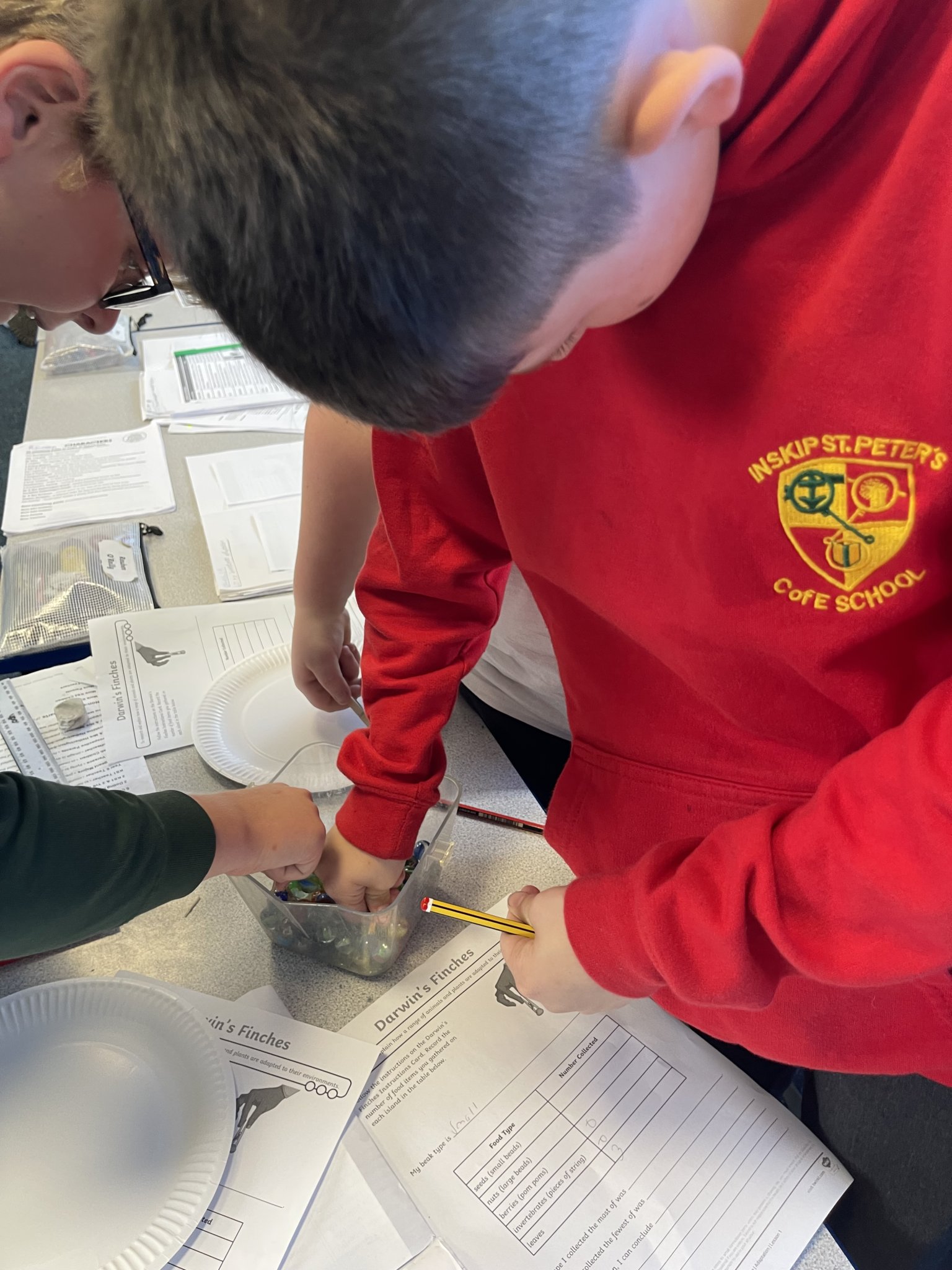
To demonstrate what he found out, the children were given different finch ‘beaks’ to try and collect ‘food’ with. They used different sized pegs and chopsticks (made from straws, match sticks and doweling) to try and pick up different sized pieces (marbles to represent big seeds, Pom poms as berries, string as caterpillars, tiny paper pieces as invertebrates and leaves).
The children were given one minute per ‘feeding session’ and then counted how much of each food they collected on their plates. It became very obvious, very quickly to the children that particular beaks were better at picking up particular types of food. The small beaks were better at collecting small invertebrates and berries. The big pegs were good at picking up the marbles and pom poms
We concluded that the finches on the different islands were adapted to suit the types of foods available to them.
Science -Adaptation
.jpeg)